Frankfurt – Lee Krasner ‘Living Colour’ at the Schirn Kunsthalle
She was certainly a female force to be reckoned with, Lee Krasner! Artist, pioneer, feminist…and wife of world-renowned artist Jackson Pollock. However, she made her stands quite clear in a famous quote, when she said: ‘I painted before Pollock, I painted during Pollock and I painted after Pollock’ – no arguing there then. She came across as thick-skinned, brusque and abrupt, but that armour she had to put on to survive and fight her way in the art world, which in the 40s, 50s and 60s, was quite clearly a man’s world. Picture this: you create stunning, visual artworks, only to be told by a galleries, that if it had been painted by a man, it would definitely sell.’ Painted by a woman? Unthinkable…in today’s world, precisely this scenario would be unthinkable, but Lee had to fight for her laurels, which also made her the driven artist and completely unique and strong-willed woman she became. Her life journey was not an easy one, she knows she upset many people on the way, but she was determined nevertheless.
Expressing herself in these different styles throughout the various phases of her life, she permanently seemed to reinvent herself, making it impossible to pin her down on one genre only. That was exactly what she wanted: to be known for her all her ability as an artist, lasting over decades, not just known for a single style that could define her, as there where so many different facets to her. To be known ‘only’ for her vivid canvases in American Abstract Expressionism does her a great deal of injustice, as she was also highly accomplished in life drawing and painting self-portraits. Claudia Peifer liked those in particular, as they were already showing Lee’s serious streak as a girl and young woman. However, this was not enough for her – she needed to explore art and herself fully to stay fresh and unconventional – impressive!
Our exclusive interview with art historian and the Schirn’s director, Dr. Philipp Demandt, was hugely interesting and funny too. Discussing her plight in life for making her own name, and advising on the fact, that there isn’t much American Abstract Expressionism to be found in Europe, bar Anglo-Saxon countries, we realised then what a gem this show really is. Curated and organised by the Barbican Centre in London, in collaboration with Frankfurt’s Schirn Kunsthalle, the Guggenheim Museum in Bilbao (Spain), as well as the Zentrum Paul Klee in Bern (Switzerland), this blockbuster retrospective about one of the most important artists of the 20th century is a real treat!
Lee Krasner – The Artist
Hailed as a pioneer in Abstract Expressionism, this all-encompassing exhibition, showing almost 100 works, definitely cements Lee Krasner as one of the most important artists of the 20th century.
Celebrating her life & work, we get an idea about a very complex mind and possibly an even more complex woman. Eclipsed by the name of her world-famous husband for decades, she never seemed intimidated by his name, even when she became Mrs. Jackson Pollock.
In the struggle to stay true to herself and her own work, Lee Krasner had to be driven, single-minded, super focused and undeterrable. To be all this in the 40s, as a woman, in an art world that was controlled and directed mainly by men, was not an easy task. This retrospective shows the entire works of Lee Krasner…and that she was a survivor, as a person, as well as in her art.
As a member of the American Abstract Artists group, her contemporaries were Ray Eames, Willem de Kooning, Franz Kline, and of course, Jackson Pollock, as well as Mark Rothko. Defining her adult life in different work phases, she kept on experimenting, and decided to move in Pollock’s studio after his death in 1956, where yet another new phase of her career as an artist began.
She had come very far from life-drawing nudes, to self-portraits in oil to creating works in her geometrical ‘Little Images’ series, now embarking on large canvasses and subsequently her famous collages. Stepping out of Pollock’s shadow, she became this trailblazer of a female force in American Abstract Expressionism in the following years, hence her pioneering input for women in art must never be underestimated.
American Abstract Expressionism
Developed in New York in the 40s, American Abstract Expressionism is a post-World War II art movement not just in painting, but collages and sketches as well. Specifically, it was the first American art movement as such to gain international recognition and influence, putting New York on the map as the new centre of the western art world, taking over from Paris.
Abstract Expressionism intends to ‘make art’ that is expressive or emotional in its effect. Originally inspired by surrealism, in as much as that art should derive from the unconscious mind, Amercian Abstract Expressionism represented freedom of expression at a time when many other countries were under some sort of political dictatorship. Whereas the United States of America allowed its artists to work freely and in an uninhibited way, artists in many other western countries were still ‘gagged’ by political censorship.
Although the actual term ‘abstract expressionism’ was first applied to American art in 1946 by the art critic Robert Coates, it apparently was coined in Germany in 1919 by the magazine ‘Der Sturm’, with regards toe German Expressionism. However, Alfred Barr was the first to actually use this kind of terminology in the US in 1929, talking about Wassily Kandinski. German Expressionism has its roots in emotional intensity and self-denial – Futurism, Bauhaus and Cubism came to life.
And although it is true, that the impression of spontaneity and ‘feeling things’ at the spur of the moment characterised many of the works in Abstract Expressionism, most of these works required careful planning, also considering the large size format they were created in. Artists such as Paul Klee, Wassily Kandinski, and later on in the post-World War II movement, Jackson Pollock, Mark Rothko, Willem de Kooning, Lee Krasner, Barnett Newman and Franz Kline, amongst many others, all seemingly applied abstract art as an expression of the mind, the spiritual and the unconscious.
There Are Two Kinds Of Abstract Expressionism
Fascinating fact: did you know, there are two groupings, in which Abstract Expressionism can be broken down to: the Colour-Field Painters and the Action Painters
Colour Field Painting – the focus is on colour and contrast, applying a more passive painting style, whilst exploring fields of colour and the reflection on mood. Barnett Newman and Mark Rothko could both be categorised as Colour Field painters, wanting to capture the attention and the emotion of the viewer by application of coloured fields and spaces.
Action Painters – this style name says exactly what it does ‘on the tin’: vivid and lively streaks of colour with often overlapping lines create sensation and emotion in an active, gestural style. Jackson Pollock, Franz Kline, Lee Krasner and Willem de Kooning are known for practicing this particular style, often in large size formats, using layers of paint and rigid contrasting edges to evoke emotion in the viewer.
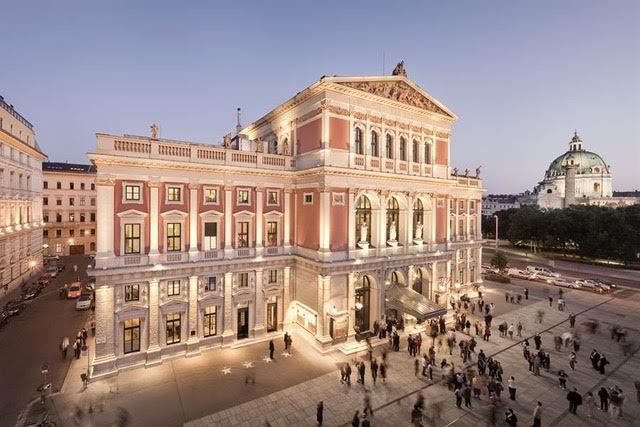
Beethoven’s 250th anniversary – celebrate in Vienna with the Beethoven 250 Musik Festivals on 19 June & 11 July 2021
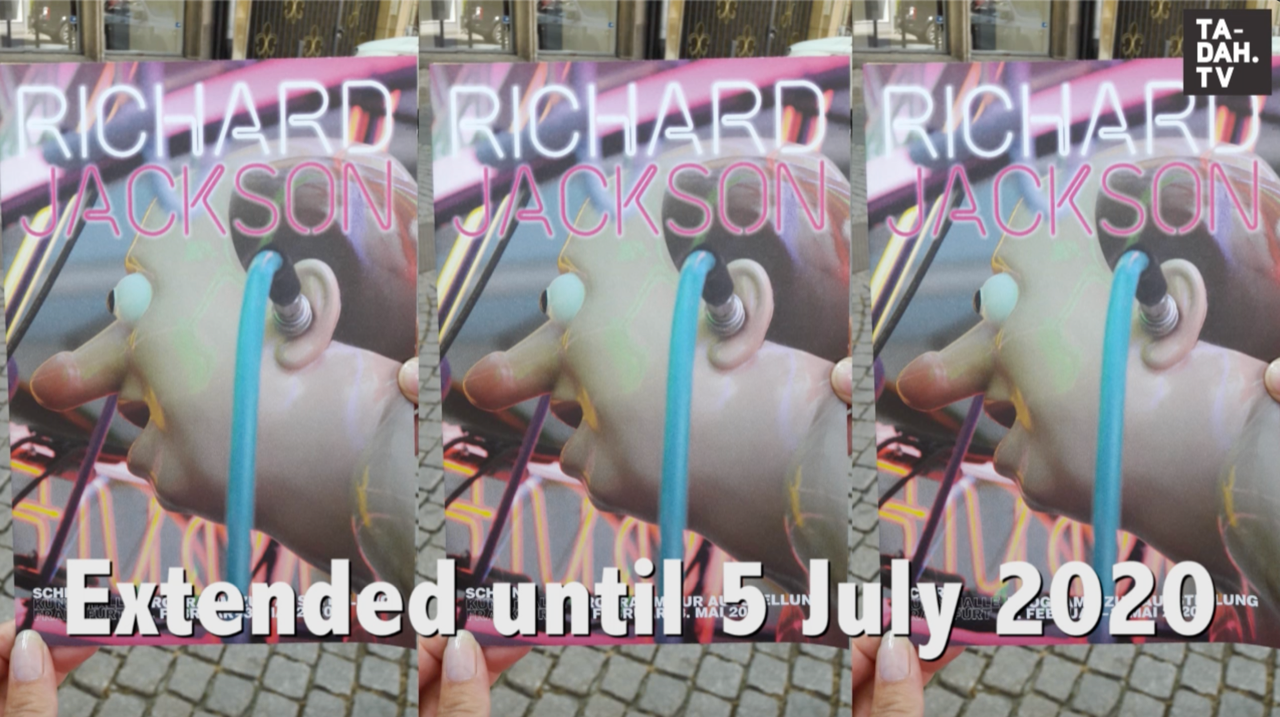
American contemporary artist Richard Jackson showing at Frankfurt’s Schirn Kunsthalle
The American contemporary artist Richard Jackson knows how to push things to the limit – with the help of colourful paint being pumped through his installations, funnels, tubes, mouths ears and all sorts of other body parts, for his exhibition UNEXPECTED-UNACCEPTED-
Richard Jackson’s Latest Showing at Schirn Kunsthalle Frankfurt
Originally born in Sacramento in 1939, Richard Jackson has since become an iconic name in
the world of art and painting. Jackson is not just any old artist due to focusing his skills on
the radical expansion of painting – he expands the activities of painting and instead of using
generic instruments to create his art, he favours the use of vehicles, machines and everyday
objects. This has given him the reputation of a Neo–Dadaist!
Jackson has innovatively made the radical expansion of painting his primary focus, much
more so than any other artist of his time! The infamous artist uses the formal picturesque
boundaries and pushes them as far as he possibly can! This allows him to create bizarre
situations which connect the usage of his paint and the actual use of the machines to its
processual aspect.
Now notorious for his use of the grotesque, Jackson’s rooms have developed a reputation of
being absolutely hilarious – but they also serve as a provocative critique of both society and
art! When you delve into the inside of Jackson’s rooms, it isn’t quite like anything you have
seen before! Animals, comic figures and objects are used to create the central protagonists
in the rooms. This is helped via the use of pumps and air compressors as they allow an array
of rich, vibrant colours to flow through tubes that travel through a plethora of things:
mouths, ears, furnishings, walls and even the characters themselves! It really is such a
unique, creative use of paint to tell a wacky story!
And now you can see Jackson’s brilliant talent come to life in the flesh with the new
exhibition at the Schirn Kunsthalle in Frankfurt! The exhibition will display many of his
world-renowned Rooms. Some of these quirky yet fascinating rooms include:
- The Bed Room (2002)
- The Delivery Room (2006-07)
- The Dining Room (2006-07)
- The Maid’s Room (2006-07)
- The War Room (2006-07)
Throughout all of these rooms, one element is ever-present – they combine a critical
commentary of painting alongside their social contexts. So, if you’re like us and you not only
like looking at art but also examining it and delving further into what it could be reflecting
from society, you are in for a treat with this exhibition!
Richard Jackson’s ‘Unexpected Unexplained Unaccepted ‘exhibition at the Schirn Kunsthalle
Frankfurt has been extended until the 5th of July 2020.
For more information regarding all things art, including further European-wide exhibitions
and art fairs, visit TA-DAH.TV today!

Michael Bublé tours the the UK’s grandest castles & outdoor settings: 9 – 27 July’21

Tour dates:
- 09 July: Exeter, Powderham Castle, An Evening with Michael Bublé
- 13 July: Leeds, Harewood House, An Evening with Michael Bublé
- 15 July: Norwich, Blickling Estate, An Evening with Michael Bublé
- 16/17 July: Bath, Royal Crescent, Michael Bublé – Live at The Royal Crescent
- 19 July: Brighton/Hove, The 1st central County Ground, An Evening with Michael Bublé
- 20 July: Derby, Incora County Ground, An Evening with Michael Bublé
- 22 July: Cardiff, Cardiff Castle, An Evening with Michael Bublé
- 23 July: Warwick, Warwick Castle, An Evening with Michael Bublé
- 25 July: Hatfield/London, Hatfield House, An Evening with Michael Bublé
- 27 July: Durham, Emirates Riverside, An Evening with Michael Bublé
For more information visit:
www.michaelbuble.com
Marbella – Starlite Festival from from 29 July – 29 August
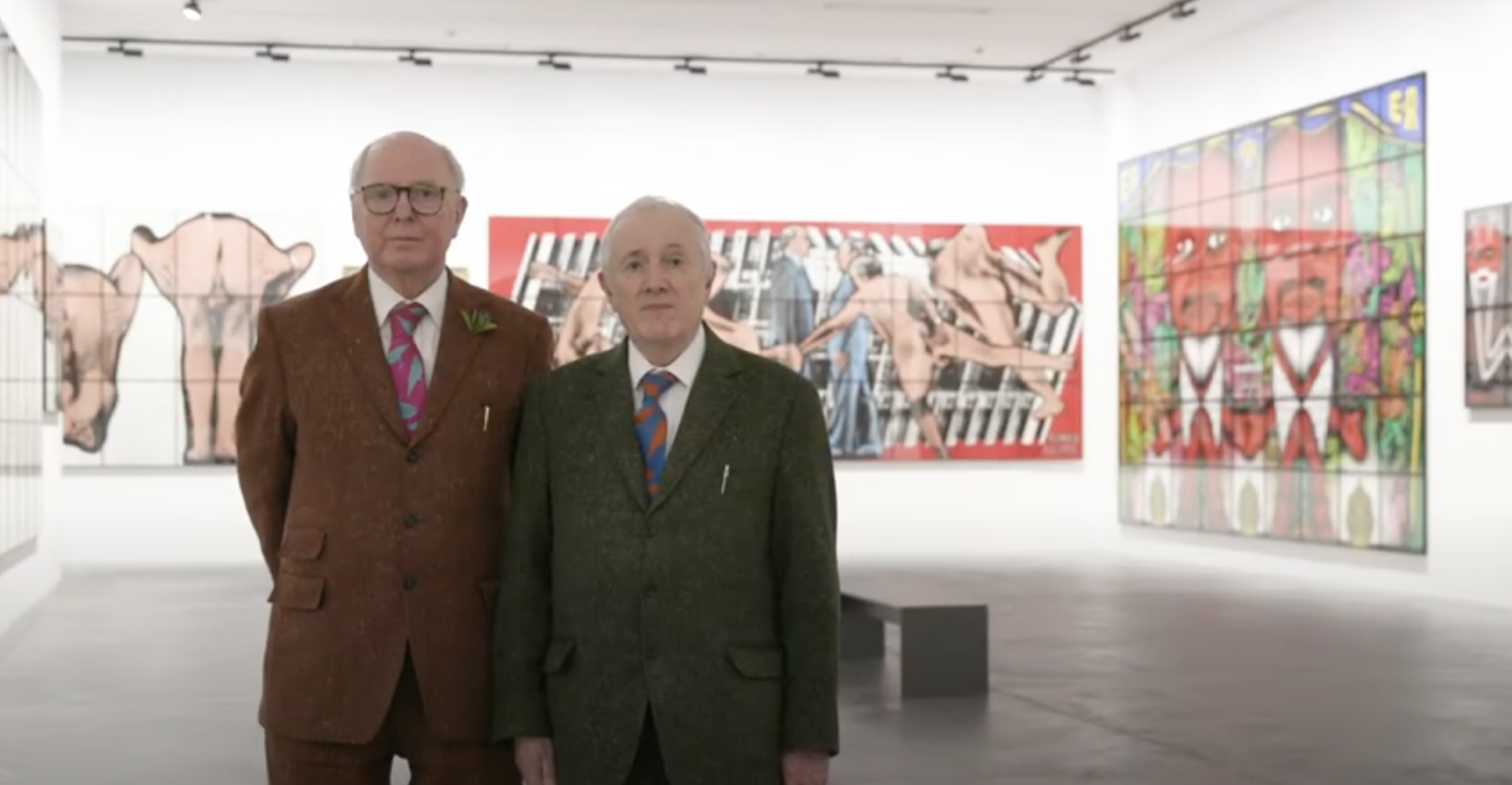
Frankfurt – Schirn Kunsthalle: Gilbert & George until 5 September 2021
Frankfurt – Richard Jackson at Schirn Kunsthalle until 5 July
Message In A Bottle – The Feature Film premiers on Sadler’s Wells Digital Stage
Mixing classic and modern dance elements with street and hip-hop, Kate Prince’s energetic choreography brings to life the story of a family, which evolves around the separate journeys of their 3 siblings through life, until, eventually, the family reunites once again. Created to the global hits by the ever-evolving iconic artist that is Sting, the fact that we all knew the lyrics to the tracks, helped relate even more to what was unfolding in front of our eyes on stage. We could all relate to the story line of this incredible dance piece: the joy of being together, the pain of separation and the twists and turns, and at times sheer fight for life, as it takes us through our paces.
The sizzling performance of Kate’s dance company ‘ZooNation’ was fizzing with energy and had the audience on their feet, with a seemingly never ending standing ovation, during curtain call. People felt really passionate about what they’ve just witnessed, and little did we know at the time, just how hard CV-19 would hit us as individuals, as well as a society. So, if you haven’t seen the show yet, relive the moment and watch the video now. Take note of their tour dates later on this spring, by which time, you might even be able to travel again to see them abroad, as they’re absolutely worth it!
Best Beer Festivals in Europe
Beer festivals serve two great purposes: sample as many different tastes and flavours as you can in a lifetime…and make friends easily! Belgium, Germany, Spain, Latvia and even Switzerland are amongst the many countries celebrating the precious wet base on hops. Everybody knows about the Oktoberfest, being the biggest beer festival in the world, but check the listing below to get to the more boutique events for all beer fans.

Sip, Savour and Celebrate: The Best Beer Festivals in Europe
Calling all beer aficionados! Europe is a haven for hop-heads, boasting a vibrant craft beer scene and a long-standing tradition of celebrating all things sudsy. That’s why TA-DAH.TV is checking out the best beer festivals in Europe.
From traditional Bavarian bashes to cutting-edge craft showcases, the continent offers a bevy of boozy festivals to tantalize your taste buds and immerse you in the world of beer.
So, grab your stein and get ready to embark on a journey through Europe’s best beer festivals!
What Makes European Beer Festivals Special?
European beer festivals are more than just a chance to sample delicious brews. They are vibrant cultural experiences offering a unique blend of tradition, community, and of course, exceptional beer.
But what makes them truly stand out? Well, we like to think there are several good reasons to get along to a celebration near you. Here are just four though:
- Immersion in Local Culture: Each festival reflects the local culture and brewing traditions, offering a glimpse into the region’s history and heritage.
- Celebration of Craft: Many festivals champion the burgeoning craft beer scene, showcasing innovative brews and small-batch creations from passionate brewers.
- Festive Atmosphere: Expect live music, delicious food pairings, and a lively atmosphere that brings people together in a shared love for beer.
- Educational Opportunities: Many festivals offer workshops, seminars, and tastings, allowing you to deepen your knowledge and appreciation for the art of brewing.
- Steeped in History: The art of brewing has been perfected over centuries in Europe. From the strong and malty German bocks to the complex and fruity Belgian ales, European brewers have mastered the craft. Many of the continent’s beer festivals reflect this rich history.
5 European Beer Festivals You Need to Try
With hundreds of annual celebrations across the continent, how do you know which ones to get on your calendar? We can help there.
If you checked out our experience of ‘Natur Pur’ wine festival in Germany, you’ll know we’re a fan of a glass-clinkingly good celebration. With that in mind, we’ve narrowed down your pick of pilsner parties to these top 5 events you need to experience:
1. Oktoberfest: The King of Beer Festivals
Oktoberfest is undoubtedly the most famous beer festival in the world, and for good reason. Held annually in Munich, this legendary event attracts millions of visitors who come to enjoy its unique blend of Bavarian culture, music, food, and, of course, beer.
The festival features massive beer tents, each run by one of Munich’s historic breweries, offering their finest brews in traditional one-liter steins.
Why It’s Popular:
- Authentic Bavarian Experience: Oktoberfest is steeped in tradition, from its dirndls and lederhosen to its lively oompah bands.
- Diverse Beer Selection: While the focus is on Munich’s breweries, you’ll find a wide variety of beers to sample.
- Unmatched Atmosphere: The camaraderie and festive spirit make Oktoberfest a once-in-a-lifetime experience.
View this post on Instagram
Why Not Grab Some Time in Frankfurt Too?
If you’ve got some more time in Germany, we’d recommend grabbing a quick flight from Munich over to another gorgeous Bavarian centre, Frankfurt.
Arty aficionados should head to Schrin Kunsthalle where incredible shows are always available. During our time in the city, we caught the Gilbert & George exhibition and Lee Kranser’s ‘Living Colour’ show.
2. Belgian Beer Weekend: A Brewer’s Paradise
Belgium is renowned for its brews, and the Belgian Beer Weekend in Brussels is a testament to that reputation. Held in the picturesque Grand Place, this festival showcases a wide array of Belgian beers, from well-known Trappist ales to innovative craft brews.
Why It’s Popular
- Historic Setting: Enjoy your beer in one of the most beautiful squares in Europe.
- Wide Variety: Sample over 500 different beers from more than 50 Belgian breweries.
- Cultural Experience: Parades, marching bands, and beer-related ceremonies offer a deep dive into Belgian beer culture
3. Prague Beer Festival: A Bohemian Rhapsody
Prague Beer Festival is a must-visit for those looking to explore the rich beer traditions of the Czech Republic.
Held over 17 days, the festival features a vast array of Czech beers, lively entertainment and traditional cuisine. If you saw our food tour of Cadiz with Annie B, you know how much we love some local eats! Back to the beer though, and ith over 150 varieties to try, the Prague festival is a paradise for beer aficionados.
Why It’s Popular
- Authentic Czech Beers: Discover why the Czech Republic is famous for its beer.
- Festive Atmosphere: Enjoy live music, entertainment, and a lively beer garden setting.
- Gastronomic Delights: Pair your beer with delicious Czech dishes like roast pork and sausages.
View this post on Instagram
4. Billie’s Craft Beer Fest: A Craft Beer Heaven
Billie’s Craft Beer Fest in Antwerp is a haven for craft beer enthusiasts. Named after a beloved bulldog, this festival offers a curated selection of the best craft beers from around the world. With a cozy, friendly atmosphere and a focus on quality over quantity, Billie’s Craft Beer Fest is a standout event on the European beer festival calendar.
Why It’s Popular
- Exclusive Craft Beers: Taste rare and unique brews from top-notch craft breweries.
- Intimate Setting: Enjoy a more personal festival experience with passionate brewers and fellow beer lovers.
- Community Vibe: The festival’s small scale fosters a warm, welcoming atmosphere.
5. Budapest Beer Week: A Week of Beer Bliss
From our time exploring Vienna on Valentine’s Day, we know just how gorgeous central European cities are, and the Budapest Beer Week is a celebration of craft beer set against the stunning backdrop of Hungary’s capital.
The event includes a week of beer-related activities, culminating in a grand tasting session featuring local and international breweries. With its mix of traditional Hungarian hospitality and cutting-edge craft brews, Budapest Beer Week is a must-visit for beer enthusiasts.
Why It’s Popular
- Diverse Beer Selection: Sample a wide range of beers from both Hungarian and international breweries.
- Cultural Events: Enjoy concerts, brewery tours, and beer dinners throughout the week.
- Vibrant Location: Explore the beautiful city of Budapest while indulging in world-class beers.
View this post on Instagram
Where to Find Some of the Best Beer Festivals in Europe 2025
Now you know about our top picks, here’s a more complete list of the best beer festivals in Europe. If you’re in any of these locations for the dates below, we highly recommend getting along:
- 3 – 5 April: Warsaw, Warsaw Beer Festival (warsawbeerfestival.com)
- 4 – 5 April: Zurich, Zürich Beer Festival (probier.ch)
- 11 – 13 April: Barcelona, Barcelona Beer Festival (barcelonabeerfestival.com)
- 11 – 12 April: Prague, Prague Beer Festival (pbfest.cz)
- 26 May – 1 June: Budapest, Budapest Beer (bpbw.hu)
- 20 – 23 June:: Belgrade, Belgrade Beer Fest (belgradebeerfest.com)
- 20 – 22 June: Antwerp, Bierpassie Weekend (bierpassieweekend.be)
- 21 – 23 June: Wroclaw, The Wroclaw Good Beer Festival (festiwaldobregopiwa.pl)
- 14 – 15 Aug: Dublin, Big Grill Festival (biggrillfestival.com)
- 29 – 31 Aug: Frankfurt, Museumsuferfest (museumsuferfest.de)
- 5 – 7 Sept: Brussels, Belgian Beer Weekend (belgianbeerweekend.be)
- 12 – 13 Sep: Vilnius, Putoja 2025 Craft Beer Show (https://www.dumufabrikas.lt/en/putoja)
- 13 – 14 Sep:: Bruges, Brugs Beer Festival (brugsbierfestival.be)
- 20 Sep – 5 Oct: Munich, Oktoberfest/Wiesn (oktoberfest.de)
- 24 – 25 Oct: Stockholm, Stockholm Beer & Whisky Festival (stockholmbeer.se)
- 7 – 8 Nov: Antwerp, Billie’s Craft Beer Fest (billiescraftbeerfest.com)
- 29 – 30 Nov: Vilnius, Vilnius Beer Festival (vafest.lt)
Follow Our Art & Culture Channel For More
Europe’s beer festivals are more than just events; they are immersive cultural experiences that celebrate the art of brewing.
Whether you’re drawn to the grandeur of Oktoberfest or the intimate charm of Billie’s Craft Beer Fest, each festival offers a unique taste of Europe’s rich beer heritage.
Ready to hear more about our adventures across Europe? Then make sure you’re following our Art & Culture Channel.