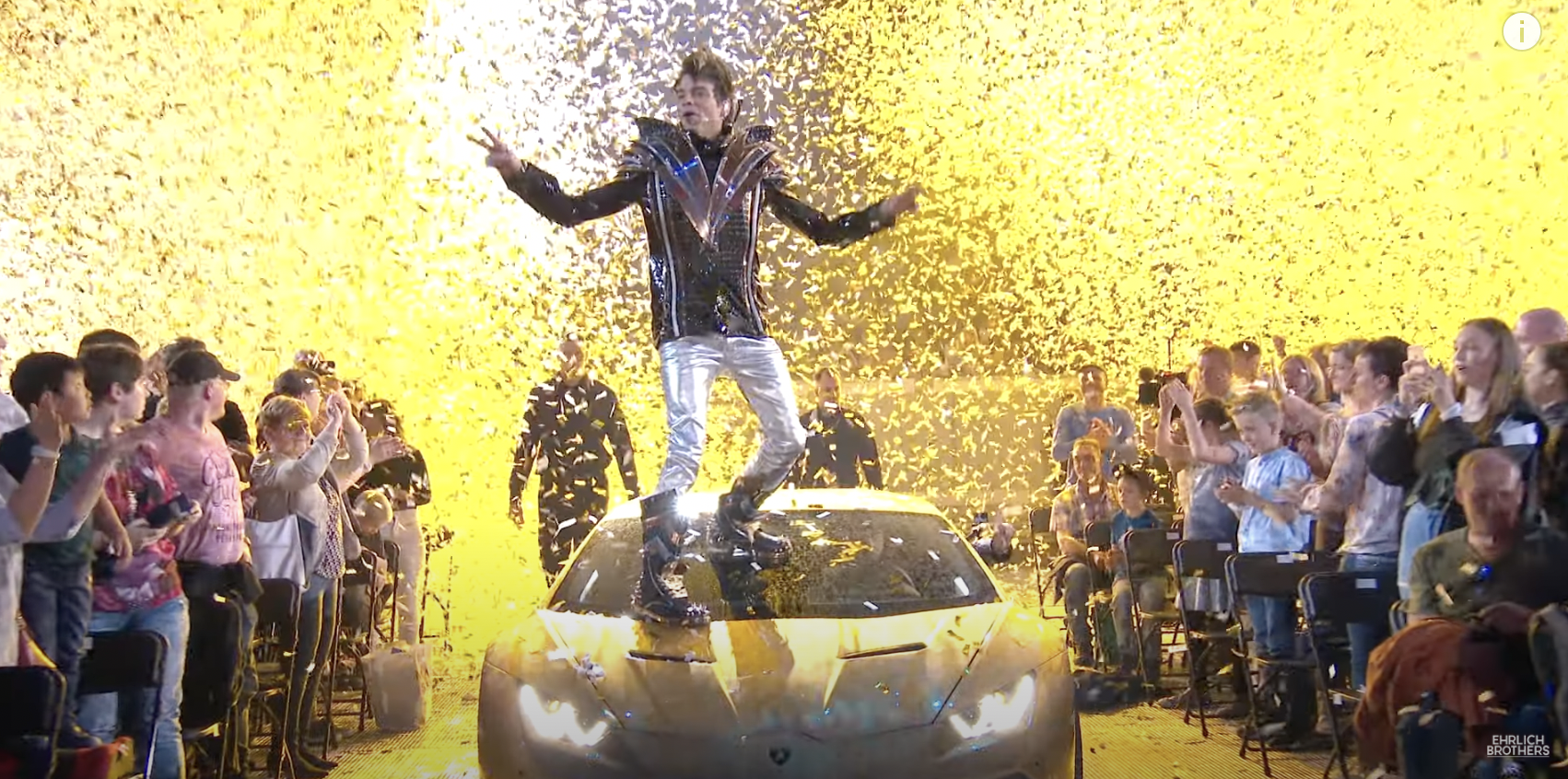
The Ehrlich Brothers Magic Show: Dream & Fly and Diamond Tour

BITESIZE VIEWING ON-DEMAND INTERNET CHANNEL




COMPUTER, TABLET AND MOBILE ONLINE TV
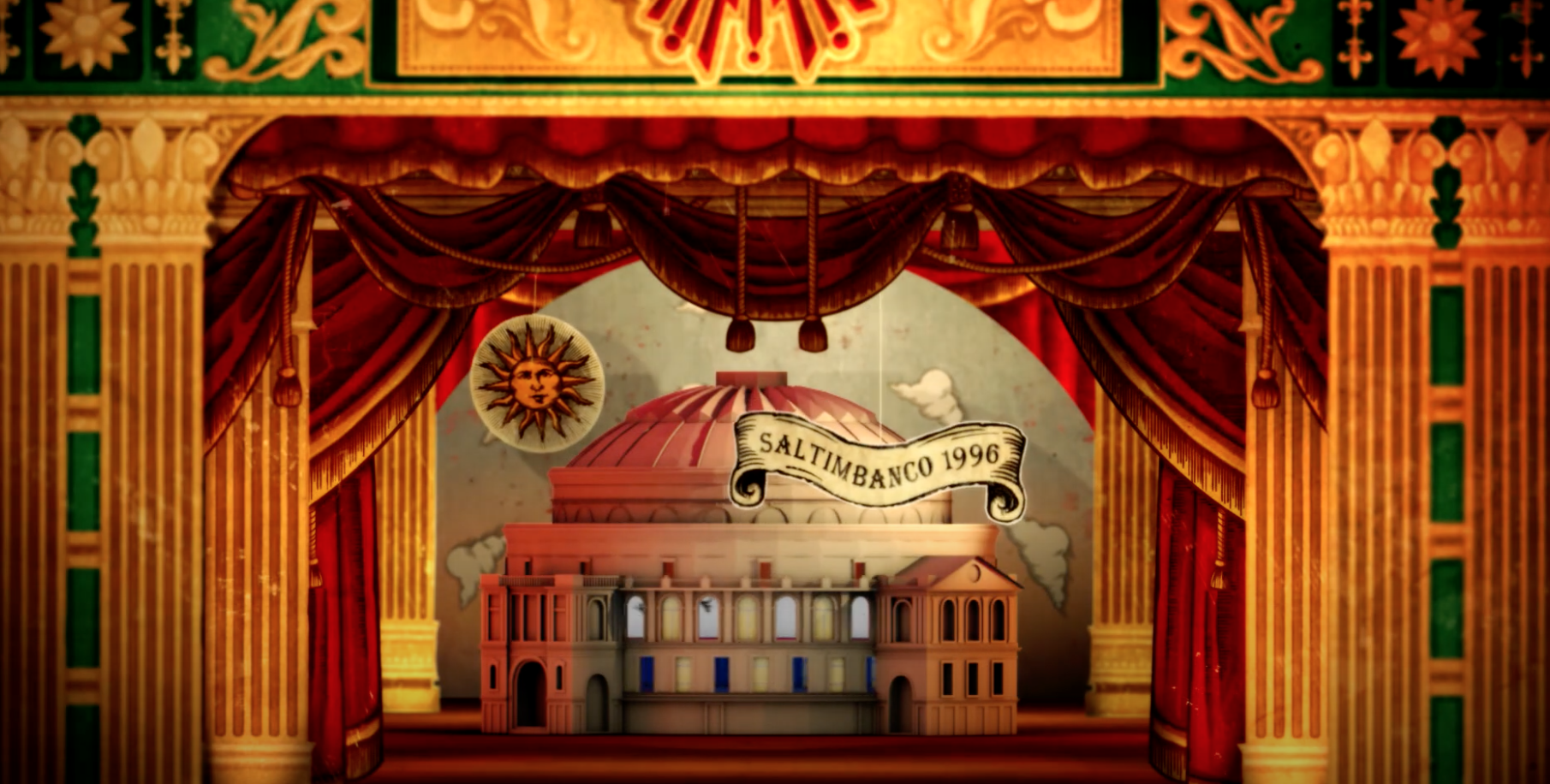
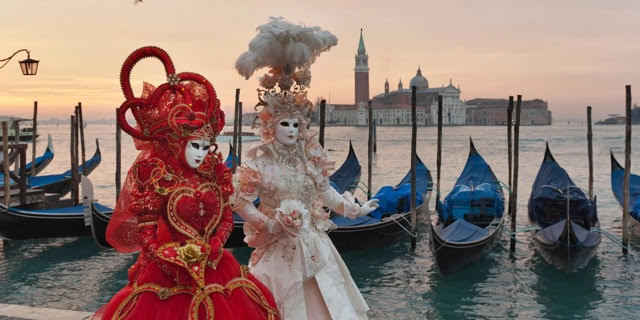
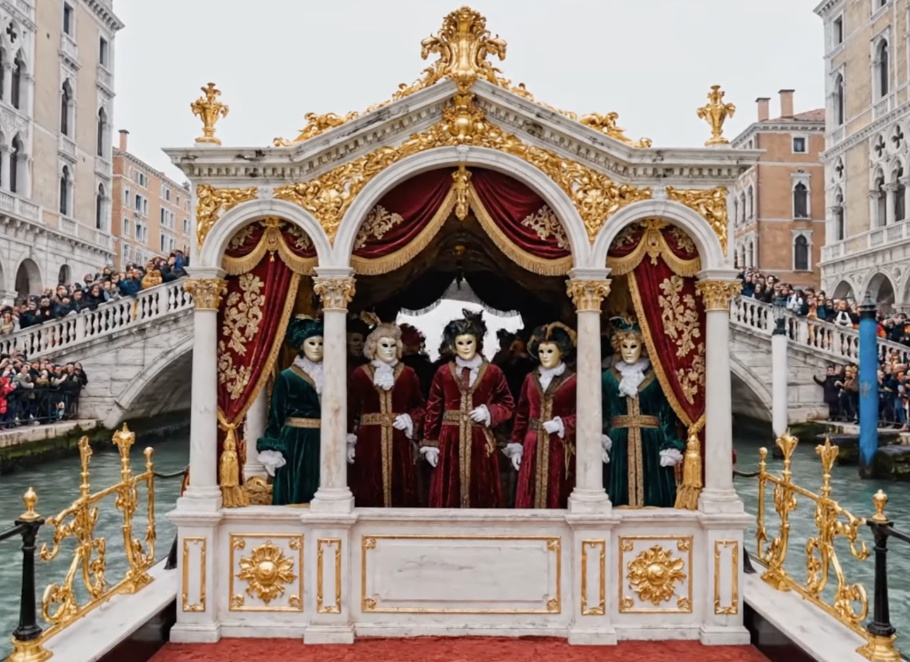
Play cupid on Valentine’s Day and take him/her to Venice for the glamorous affair that is the Venice Carnival! Only this year with a difference, as there is more than one reason to wear a mask this year…let’s just say: keep your distance as best as possible and do check their website for last minute changes, should there be any. Other than that, the carnival organisers have adapted the concept really well with their opening parade called ‘Feast On The Water,’ using the canals to the best of their advantage, whilst other distance measures might be put into pace for their balls, operas and recitals, costume competitions, walking tours and mask making workshops.
It’s a spectacular you’ll never forget though, even if classical music is not your cup of tea, so to speak. Venice is alive and kicking during the carnival, normally attracting millions of people to visit the city. And you should have visited Venice at least once in your lifetime! The sheer splendour in famous hotels, like the Hotel Danieli, the Gritty Palace Hotel, the Hotel Doná Palace or the Palazzina Grassi are sure to bowl your +1 over, as so many of the old palaces have been turned into boutique like jewels of a hotel.
Sightseeing is a never ending cause in Venice, but be sure to watch our cover of the Venice Biennale to get an appetite to return during the many exhibitions and festivals that are held throughout the year, as well as the Venice Film Festival, held during the first two weeks of September. Many international film stars and directors love coming to Italy for the film festivals, including some our favourites, like Pedro Almodovar, Tilda Swinton, Cate Blanchett, Vanessa Kirby, Taylor Hill, Gia CoppolaAnna Foglietta, Arizona Muse and Cecilia Rodriguez. Even with masks on, it’s a glittering affair and the gala party is a must-do for any film buff and starlet to have experienced at least once on a lifetime.


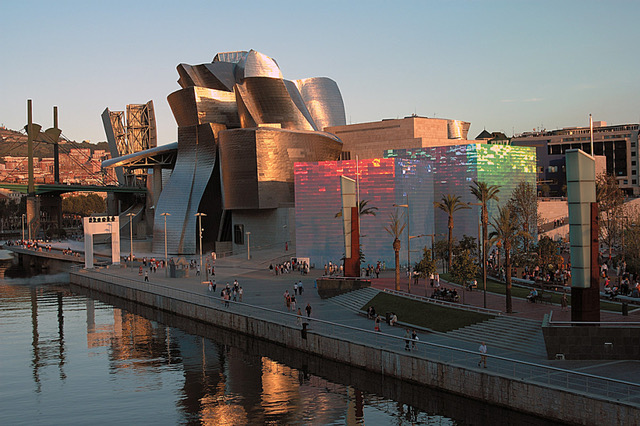
Bilbao is a true lifestyle destination and has to be one of the most enjoyable places in Europe to spend a city break at! The town is packed with restaurants & bars, as food is a BIG thing here, whilst music festivals and live performances take place throughout the year and then…there’s the Guggenheim Museum. Impressive beyond belief, treat it like an art mekka, as the world flocks to this place for outstanding blockbuster shows. Everything about this city screams creativity & lifestyle, so there’s something to enjoy in every corner
Bilbao, a port city in the Northern Basque region of Spain, home to the spectacular Guggenheim Museum. Which is potentially Bilbao’s most famous visitor attraction, drawing in crowds in their hundreds of thousands each year! First established in 1997, part of a plan to transform the city of Bilbao, the museum is part of a partnership between the Basque Institutions and the Solomon R. Guggenheim Foundation. Soon to be celebrating its 24th birthday, as part of the international collection of Guggenheim Museums, the Guggenheim Bilbao is one of the largest museums in Spain. Here at TA-DAH.TV we’ve done our research into this amazing museum to offer you this exciting insight into all that the Guggenheim has to offer as a tourist attraction. Now you can be ready for a trip to the beautiful city of Bilbao, being sure to tick off the Guggenheim Museum while you are there!
The magnificent building was designed by Canadian American architect, Frank Gehry. The vast space covers 24,000 m2 with 9,000 of this dedicated to exhibition space, so there’s plenty to explore. Gehry’s design has created a sculpture-like structure which seamlessly integrates into Bilbao’s urban design and the surrounding area. To see inside the museum and the stunning structure of this building, check out the museum’s virtual tour! For the city and people of Bilbao it has generally had a positive economic impact, drawing in millions of visitors and millions in economic activity.
Taking pride of place, at the entrance to the museum, is a sculpture created and designed by the famous Jeff Koons. Aptly named ‘Puppy’ this sculpture is that of a giant West Highland Terrier! Completely covered in flowering plants. Thanks to the imposing size of this sculpture, Puppy really does take your breath away. Koons designed this sculpture for the entrance of the museum to entice the public and in his words; ‘Puppy, majestic and robust whilst guarding the doors of the museum, fills the audience with admiration and joy.’
Well-known for its large-scale art installations and exhibitions, the museum has held a vast array of exhibitions over the years since its opening. Temporary exhibitions have been popular with the public, including tourists, drawing in thousands.
From the opening of the museum, the Guggenheim Museum Bilbao has been working to establish a permanent collection of art pieces. This consists of works from the mid-twentieth century up to the present day.
Pieces within the collection include famed works from notable names such as:
You might think the festive season ended a long time ago. But, let me tell you, the party is definitely underway in Central and Southwestern Europe.
And, you know us at TA-DAH.TV, if there’s a party going down in Europe – we gotta get there!
It’s Carnival Season across Germany, Italy, Switzerland and Spain – and that’s before we even mention Snowbombing in Austria!
However, because the biggest European festivals in February all happen so close together, it’s nearly impossible to experience them all in one go.
But, don’t worry if you can’t be there to see it all, we’ve done it for you and brought all our findings back here!
So, let’s unpack some of the best February festivals in Europe.
Thinking of treating your significant other to a special European odyssey this February? Then there are some incredible festivals taking place that you need to know about.
We’ve covered some of the best festivals in Europe on our Arts & Culture Channel. But nothing quite beats February in Europe for some good, old-fashioned, pagan pageantry.
How’s that for a Valentine’s treat to remember?
Our journey takes us from sunny Cádiz in Spain. Then we travel over to cracking Cologne for a whole week of frolics before heading south, across Luxembourg, to Basel. And where better to end than one of the most romantic cities in the world – Venice.
Ordinarily known for its golden beaches, stunning North Atlantic coastline and grand baroque cathedral, Cádiz is always a hit with tourists. But in February the city’s ancient streets are filled with crowds for a different reason.
When you hear “Spanish festivals” you might be forgiven for thinking of tomato throwing or berzerk bulls barreling around the town. How about BIG Festival? Or even the elegant Starlite?
Well, Carnaval de Cádiz is built different.
The festivities run for a whopping 10 days, so there’s plenty of opportunity to get out there and soak up the atmosphere.
Visit in the week for a more reserved view of Carnaval when you’re more likely to spend the day sightseeing around the quaint cobbled streets before partying the night away to the sounds of live DJs.
On the weekend it’s a different story. Throngs of people don their best costumes, dressing up as famous cartoon characters or in masquerade gear before lining the streets of the Andalucian centre.
Like most catholic countries at this time of year, the Cádiz Carnaval is a celebration of Lent ending. So, naturally, after all that fasting everyone is ready for a little indulgence and silliness.
Also known as Carnaval, Cádiz en Carnaval or Carnaval de Cádiz, this passionate party is absolutely worth your time.
During the festival, enjoy all the feasting you can handle. But there’s also a healthy amount of dancing – stomp along to the satirical sounds of the Carnaval Cadiz chirigotas, a type of Spanish choral folksong.
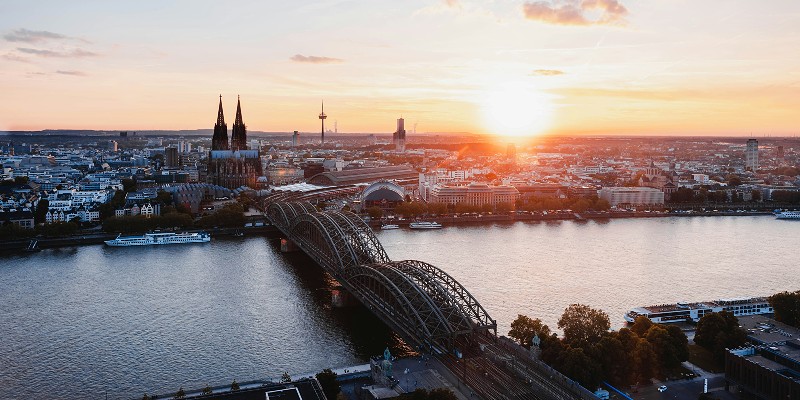
Moving on from Cádiz and further into Central Europe, we arrive in Cologne for a continuation of Carnival season – also known as the “fifth season” of the year here.
Running for seven days from The Women’s Carnival (or Weiberfastnacht) on Thursday to Ash Wednesday, this is a whole week of frivolity.
The first day of the Cologne Carnival sets the tone with many costumed revellers pouring into the streets (and the pubs) for parties in the Altstadt (Old Town).
Our advice, go for it! But don’t wear a tie, as you might find a woman with scissors comes along and cuts it off! Such is the tradition.
Through the rest of the days expect a whirlwind of colour, sounds, gorgeous food and great vibes. There’s even a ghost train (or geisterzug)
Next up, it’s Basler Fasnacht and if you’re quick out of Cologne, and still have some party left in you, head out to Switzerland.
The largest carnival in Switzerland swings into life on the Monday after Ash Wednesday – giving you ample time to shake off the German festivities before sampling some Swiss pleasures.
Held across 72 hours, Basler Fasnacht comprises two main parades (called a cortège) of 11,000 carnivalists. Sandwiched between those two main performances, Tuesday is reserved for children with exhibitions and performances to suit younger audiences.
If you want the full experience, you need to be up with the lark on the first day. The festivities begin at 4 am when the Morgestraich lights up the square with colourful lanterns. Pipers and drummers set the pace of this gorgeous artistic procession
Also, watch out for Schnitzelbanks. These satirical tunes poetically and comically sum up the event of the previous year. Widely regarded as one of the best parts of the festival, the Schnitzelbanks singers are extremely talented.
Fans of all things theatrical and masquerade need to experience the Venice Carnival. Undoubtedly one of the best February festivals in Europe, this suitably elegant affair – which began in 1162 – feels like you’re watching one big performance piece.
In contrast to the scenes we saw at Venice Biennale, if you want the optimal experience we recommend getting a good spot at the side of the Grand Canal for the opening ceremony.
Running from the end of January through to Shrove Tuesday, you’ll want to catch the Festival of the 12 Marias. Recalling a 10th-century tale of the daring rescue of a woman from pirates. To celebrate, 12 young women are paraded through the city in a lavish procession.
H3: What to wear at Venice Carnival?
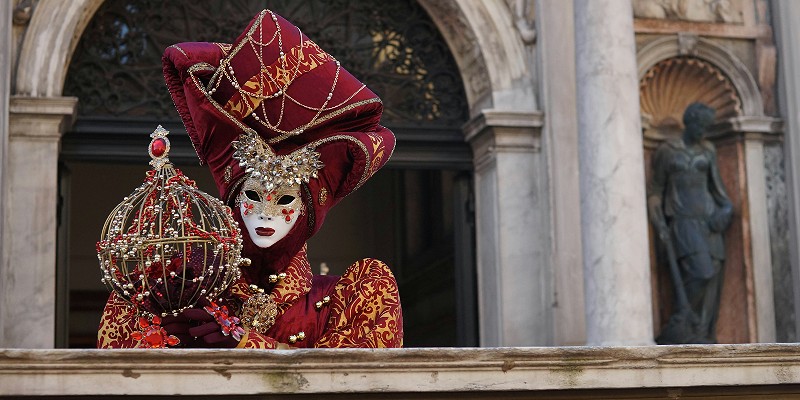
This is the million-dollar question, right?! Truth is, you can go as bold or as understated as you like. A masquerade mask is a must. But, for your outfit, think Renaissance-style looks. Or just go as bold as you can with your colours.
Performers are bedecked in gorgeous intricate costumes with stunning masks and headpieces. In truth, these outfits alone are probably worth the trip.
There’s no doubt that Europe is steeped in legends and ancient tales which all lend themselves terrifically to festival vibes.
But these four celebrations are just the tip of the Carnival iceberg.
So, if you want to discover more incredible events like this across the continent, you need to be across our Art & Culture Channel.
Or click below to subscribe to our newsletter now and hear about all the latest events first.